Book Cover Redesign
Students redesign the cover of a book from a genre that interests them. This could be a book they’ve read or one they plan to read in the future. Examples include Literary or Historical Fiction, Science Fiction, Mystery, Romance, Thriller, Action & Adventure, and more.
Institution: Lehigh University
Course Level: Graphic Design Introductory Studio, Beginner
Duration: 3 weeks
Project Brief
Book cover design is about creating a visual language that draws the reader in. A strong cover can set the mood, spark curiosity, and hint at what lies inside the book. The best research for book design comes from looking at actual books. Visit local bookstores and libraries to see how covers communicate visually. Barnes & Noble is a great place to start.
-
Pride and Prejudice
Great Expectations
Frankenstein
Little Women
The Great Gatsby
Wuthering Heights
Moby-Dick
One Hundred Years of Solitude
The Catcher in the Rye
Nineteen Eighty-Four
War and Peace
The Odyssey
Dune
The Grapes of Wrath
The Divine Comedy
Invisible Man
The Little Prince
Animal Farm
Hamlet
The Handmaid’s Tale
Slaughterhouse-Five
Lord of the Flies
Leaves of Grass
The Scarlet Letter
The Color Purple
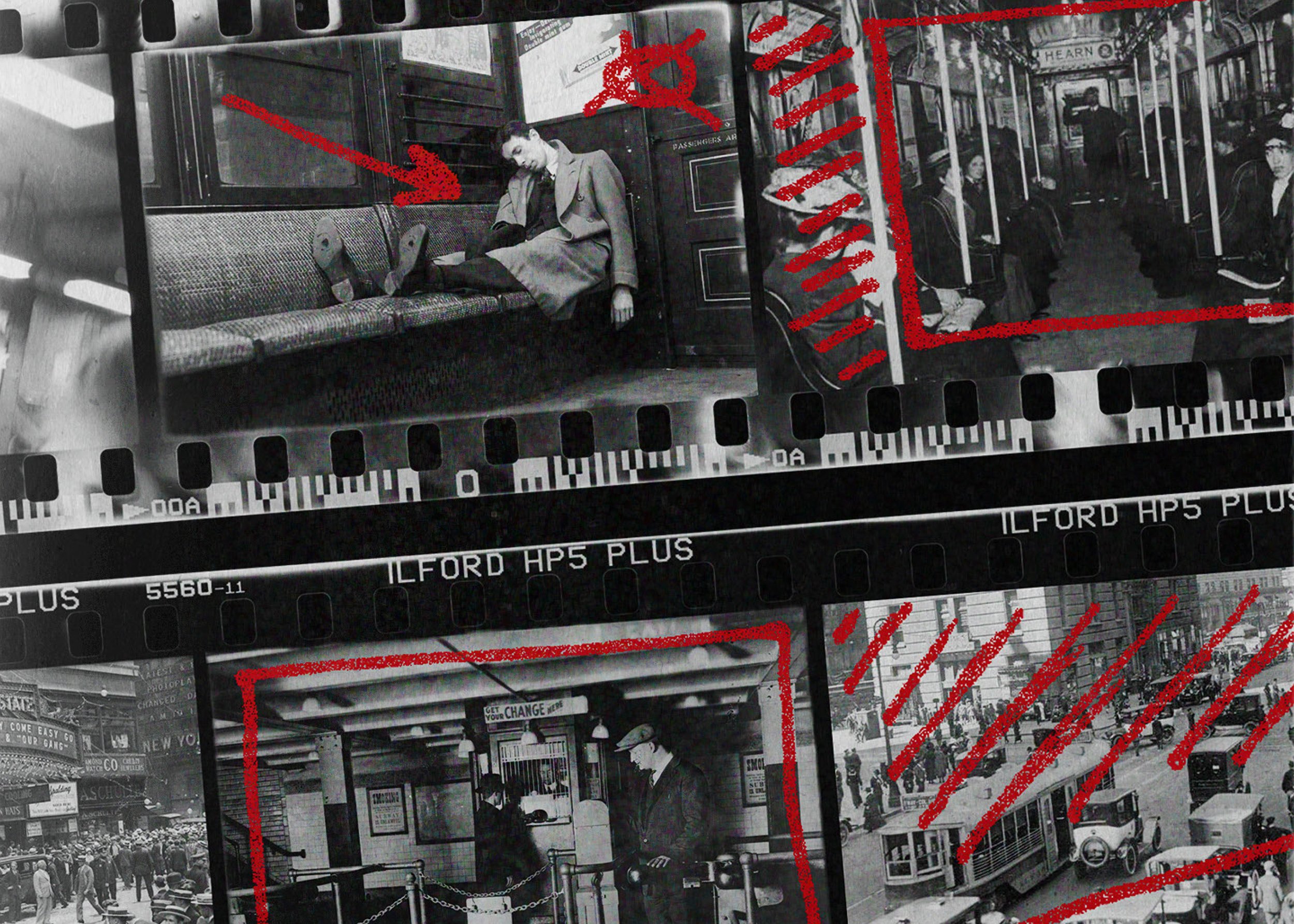
Student work by Will Sgro
Learning Objectives
Identify and define challenges with the existing design
Approach problem-solving through lateral thinking
Conduct visual research through bookstores, libraries, and existing publications
Develop an original visual language using illustration and photography
Explore conceptually relevant typographic solutions
Consider how design choices engage and inform the reader
Experience the ideation process involved in designing a book cover and spine
Constraints & Parameters
Trim size: 6.75 in × 9.5 in, portrait orientation
Include the book title and author, emphasizing the title, the author is secondary
Experiment with typography to support the design concept
Use a manuscript or columnar grid to organize content
Select 2–4 font families that work together harmoniously
Design a spine that reflects the visual direction of the front cover
Introduce color, illustrations, original or stock photography, graphic elements, texture, or hand-drawn imagery to define your visual language
Use Adobe InDesign for layout and typography, Photoshop and Illustrator for any raster or vector-based imagery, including illustrative typography

Student work by Brian Lee
Deliverables
Front cover and spine, trimmed to size
Photoshop mockup in flat lay format, cropped to various dimensions for social media
Accompanying PDF of the final design
Readings
By Its Cover: Modern American Book Cover Design, Ned Drew & Paul Sternberger
Chip Kidd: Book One: Work: 1986-2006, Chip Kidd







Thoughts & Observations
Designing a book cover, a single page, might seem simple at first, but students quickly discover how involved the process becomes in developing a strong concept and craft.
Most students had little trouble choosing books that interested them. The project introduced lateral thinking to push them beyond obvious solutions. A significant challenge was developing the visual language and relevant typography. Experimenting with image-making styles and approaching design as authors was new for many students. With the widespread use of preloaded stock imagery and generative AI, it is important that students understand the value of original ideas and image-making.
Through an iterative process, students explored typography, figuring out when it should be quiet, bold, or balanced. Throughout the project, I emphasized that the concept should guide the typography. The final covers reflected the course’s learning outcomes and gave students a chance to apply design theory and principles from foundational courses.
Credits for student covers
Grace Ditmar / Franny and Zooey
Dayna Ha / Dallergut Dream Department Store
Ryan Javier / Where the Wild Things Are
Angelina Le / Life of Pi
Brian Lee / The Alchemist
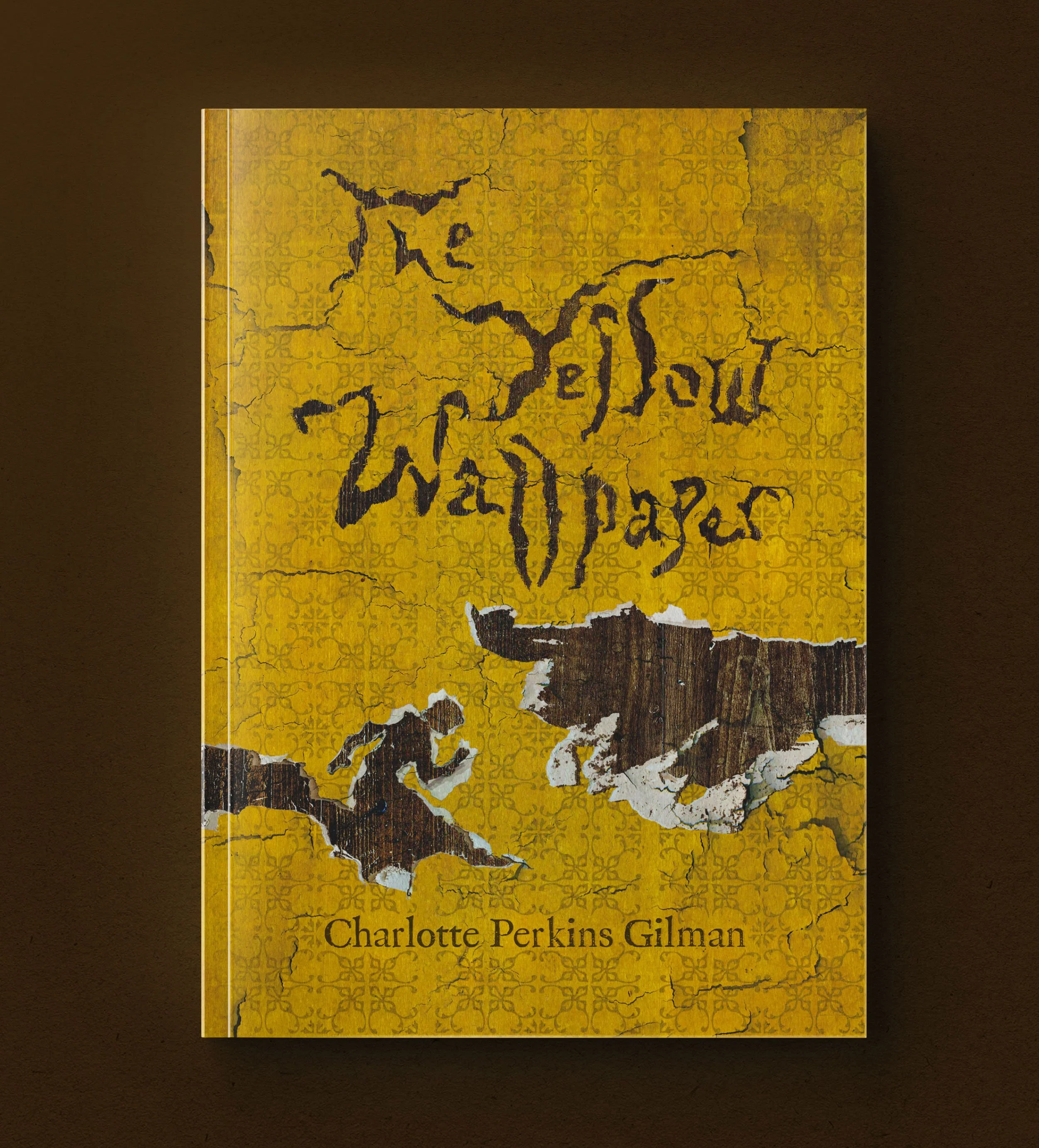
Melina Sawyers / The Yellow Wallpaper
Will Sgro / Manhattan Transfer
Brianna Spitalnik / Looking for Alaska
Kasey Vanegas / 1984
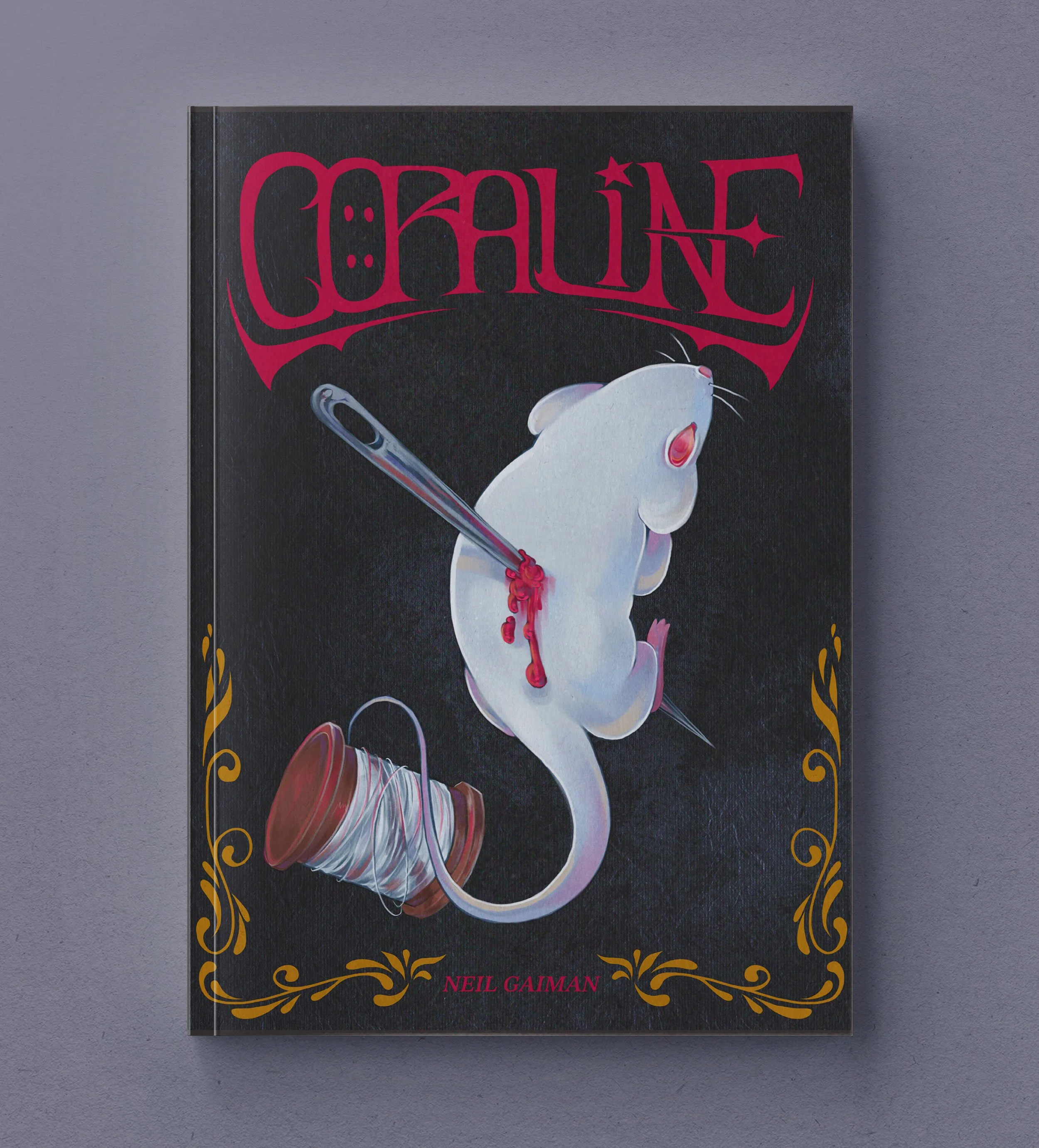
Kai Zhou / Coraline