TeachingGrounded in professional practice, my teaching bridges theory, traditional craft, and digital rigor. Students develop concepts through iterative thinking and critical reflection, preparing them to deliver thoughtful, research-informed solutions.
Pedagogy in Practice: Briefs and Outcomes

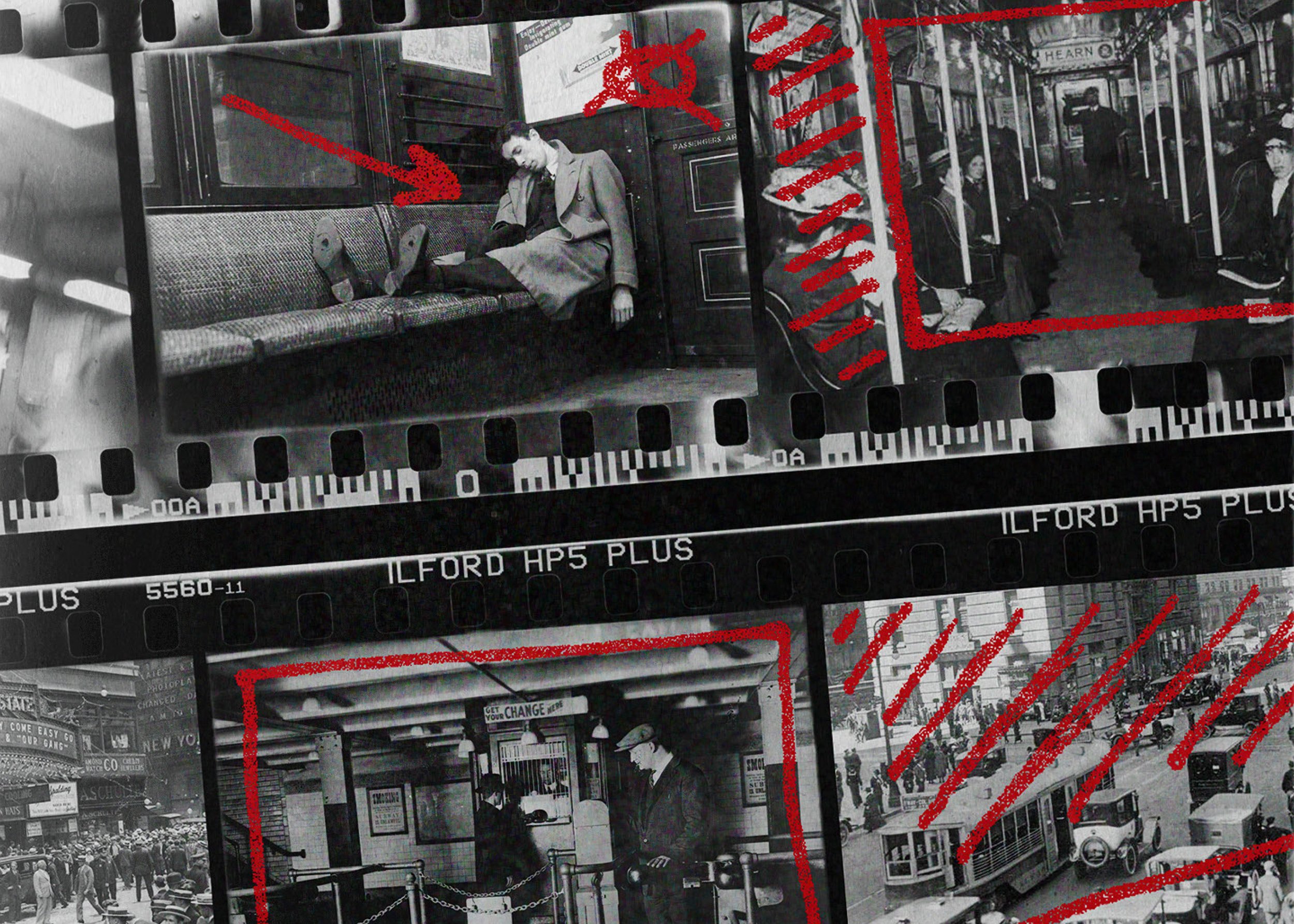
Alphabet City
Two-dimensional design foundation courses guide students to work with abstraction and non-representational imagery. The Alphabet City exercise pushes them beyond typefaces on screen to notice engaging forms in everyday surroundings while reinforcing standard workflows in Adobe CC applications.
Book Cover Redesign
Students redesign the cover of a book from a genre that interests them. This could be a book they’ve read or one they plan to read in the future.
Film Posters: Before & After
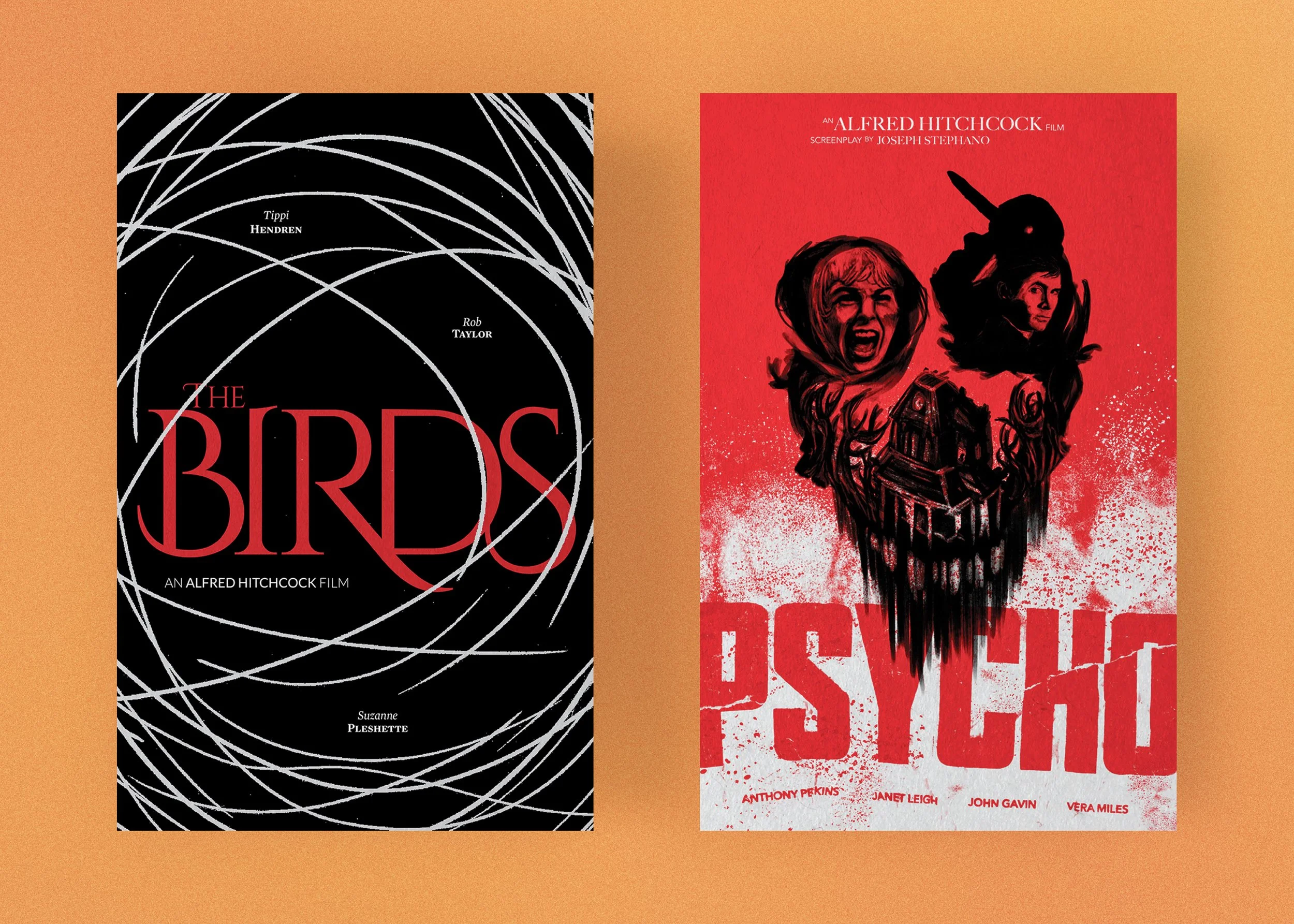
In a portfolio preparation course like this one, students revisit projects from previous classes that may already be portfolio-ready or need further refinement. Through critique, discussion, and multiple iterations, they strengthen both concept and execution. These before-and-after film poster examples show how the work evolves through this iterative process.
Saturday Career Workshops: Signs, Symbols, & Semiotics
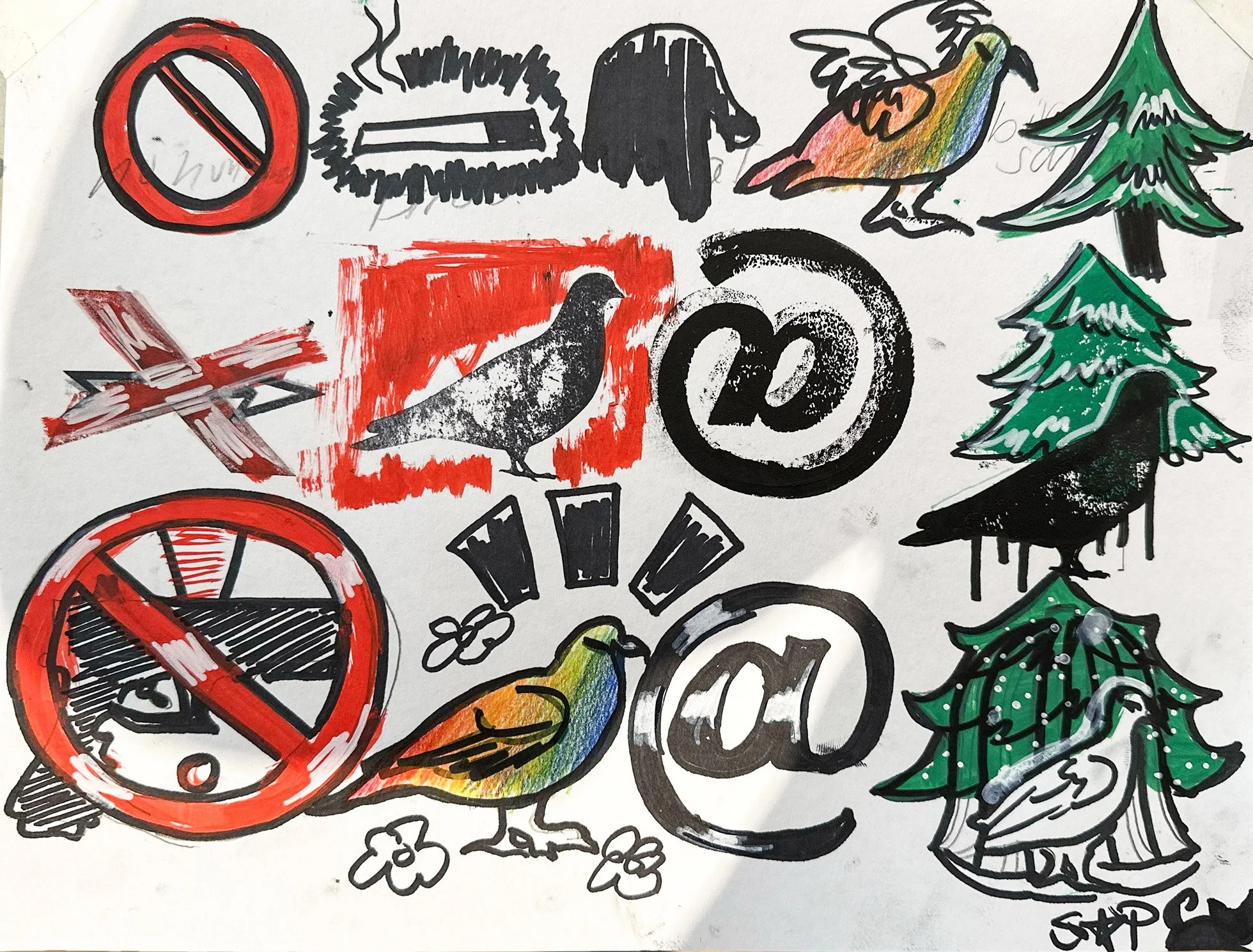
As a first-generation family member, I learned to navigate foreign transportation hubs at a young age. We relied on visual communication through signs and symbols to understand spoken and unspoken messages. I have always been fascinated by how people can move through an unfamiliar airport, locate food, restrooms, and luggage with minimal guidance and limited knowledge of the destination’s language.
Design Visionaries Booklet
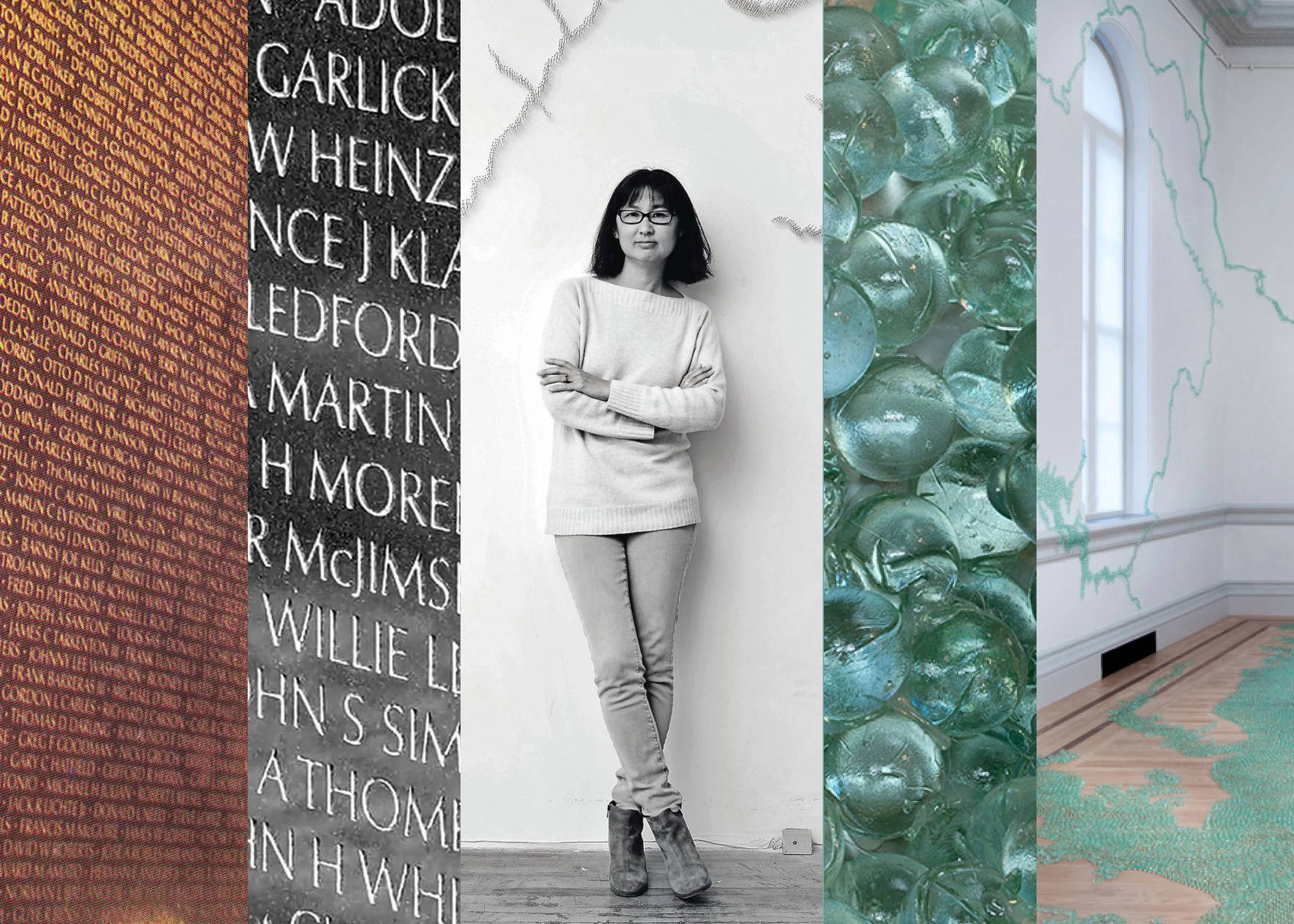
Students select one design visionary from a supplied list and develop an informational booklet. The printed “highlight reel” they produce analyzes their chosen designer’s thinking and aesthetic, and translates their creative sensibility into clear visual and typographic communication.
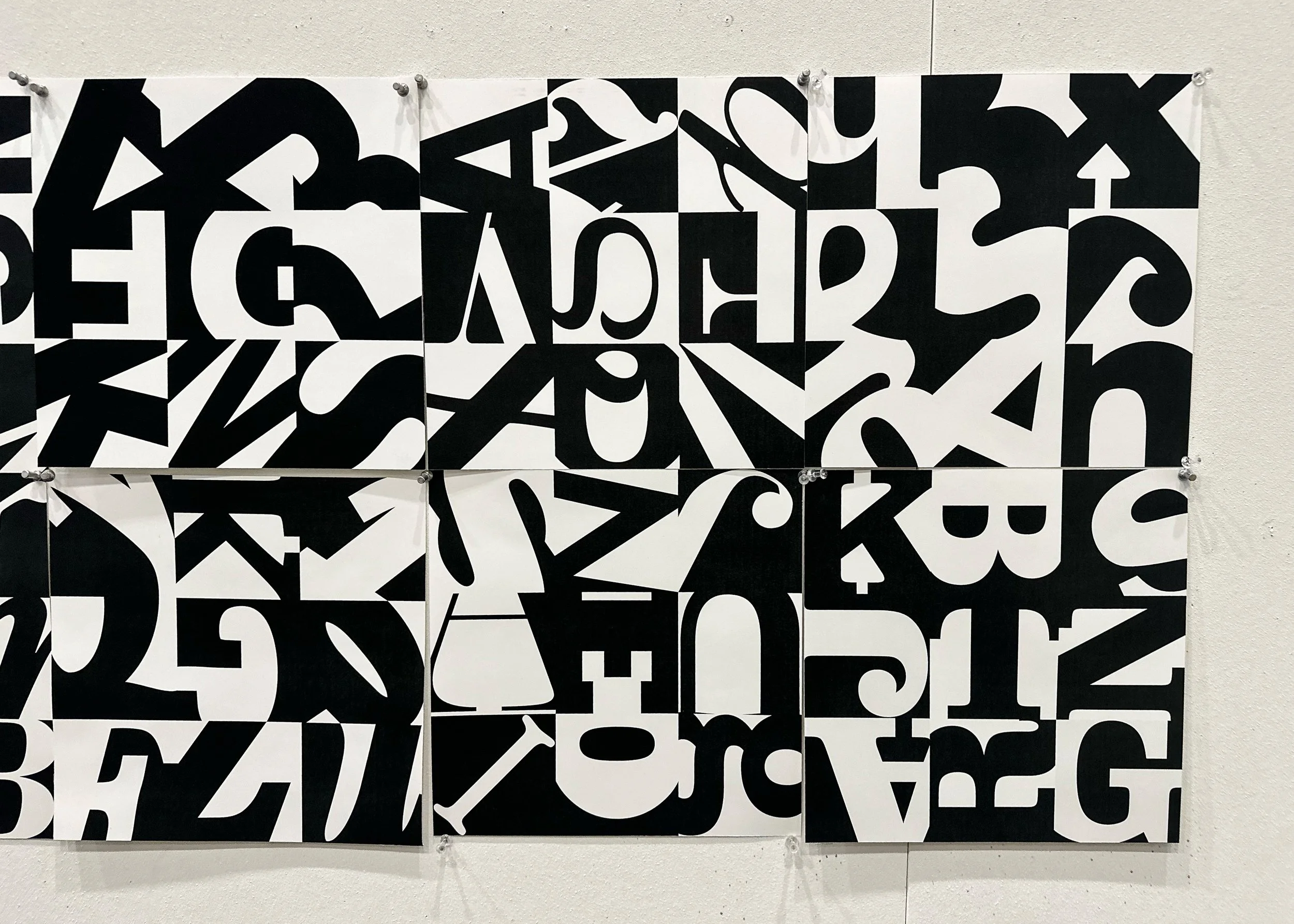
Letter As Form
Micro Typography explores the details of individual letterforms. Students study how letters are designed and how words are formed through optical spacing. They learn about type anatomy, spacing, line length, line height, legibility, typeface selection, and historical context.