Design Visionaries Booklet
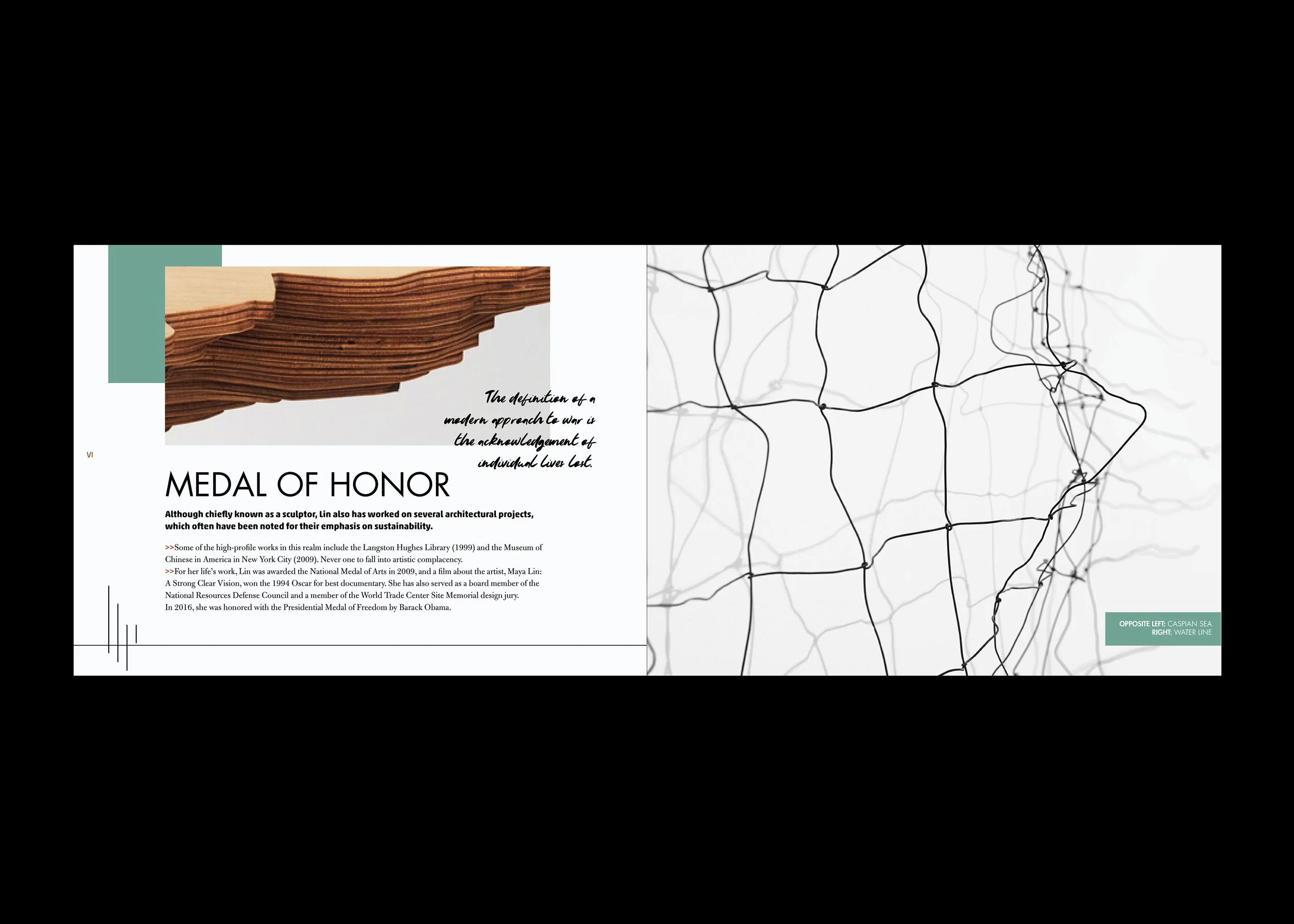
Students select one design visionary from a supplied list and develop an informational booklet. The piece produced analyzes their chosen designer’s thinking and aesthetic, and translates their creative sensibility into clear visual and typographic communication.
Institution: Robert Busch School of Design at the Michael Graves College, Kean University
Course Level: Typography II, Intermediate
Duration: 4 weeks
Project Brief
Choose an individual whose body of work or personal narrative is of particular interest. The list to choose from includes influential product designers, architects, photographers, sculptors, painters, and fashion designers.
The publication presents the selected individual’s work and background through a printed “highlight reel” for design students and junior designers. Analyze the individual’s thinking and aesthetic design direction, then translate their creative sensibility into clear visual and typographic communication.
Begin the project with a brief, multipage research proposal on your selected visionary. The presentation deck should include portraits, a curated selection of work with captions, a descriptive word bank, personal philosophies, and inspirational quotes.
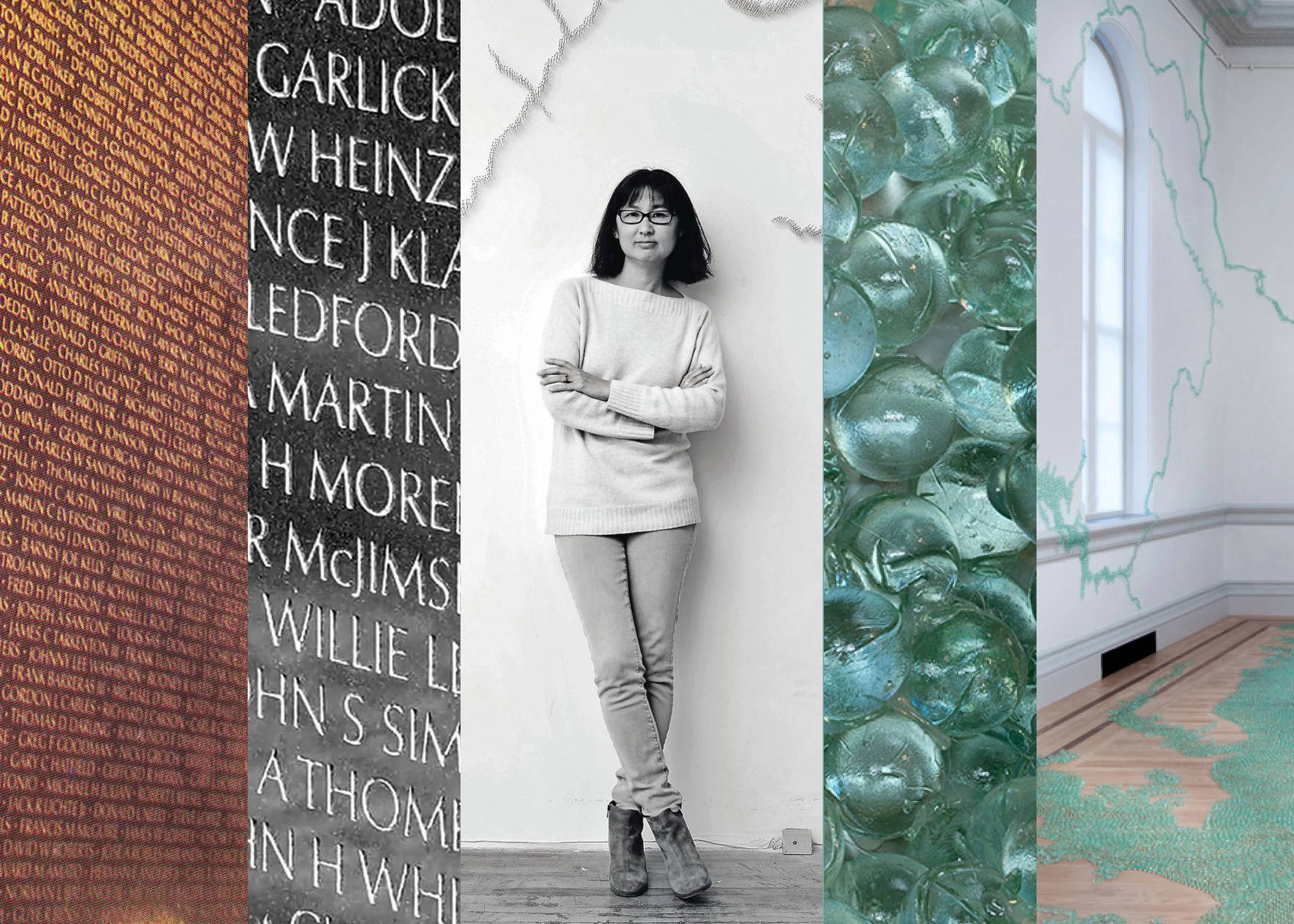
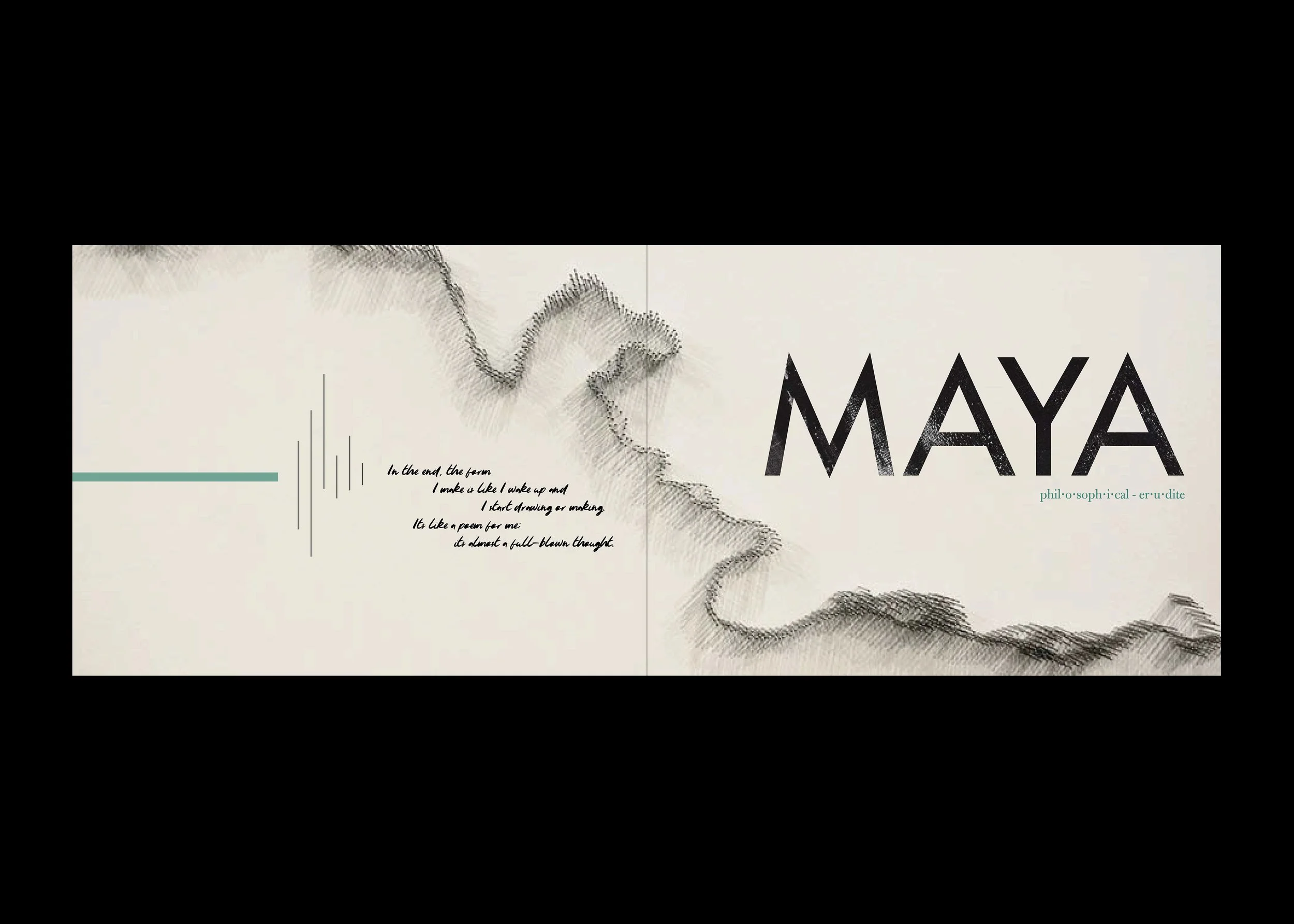
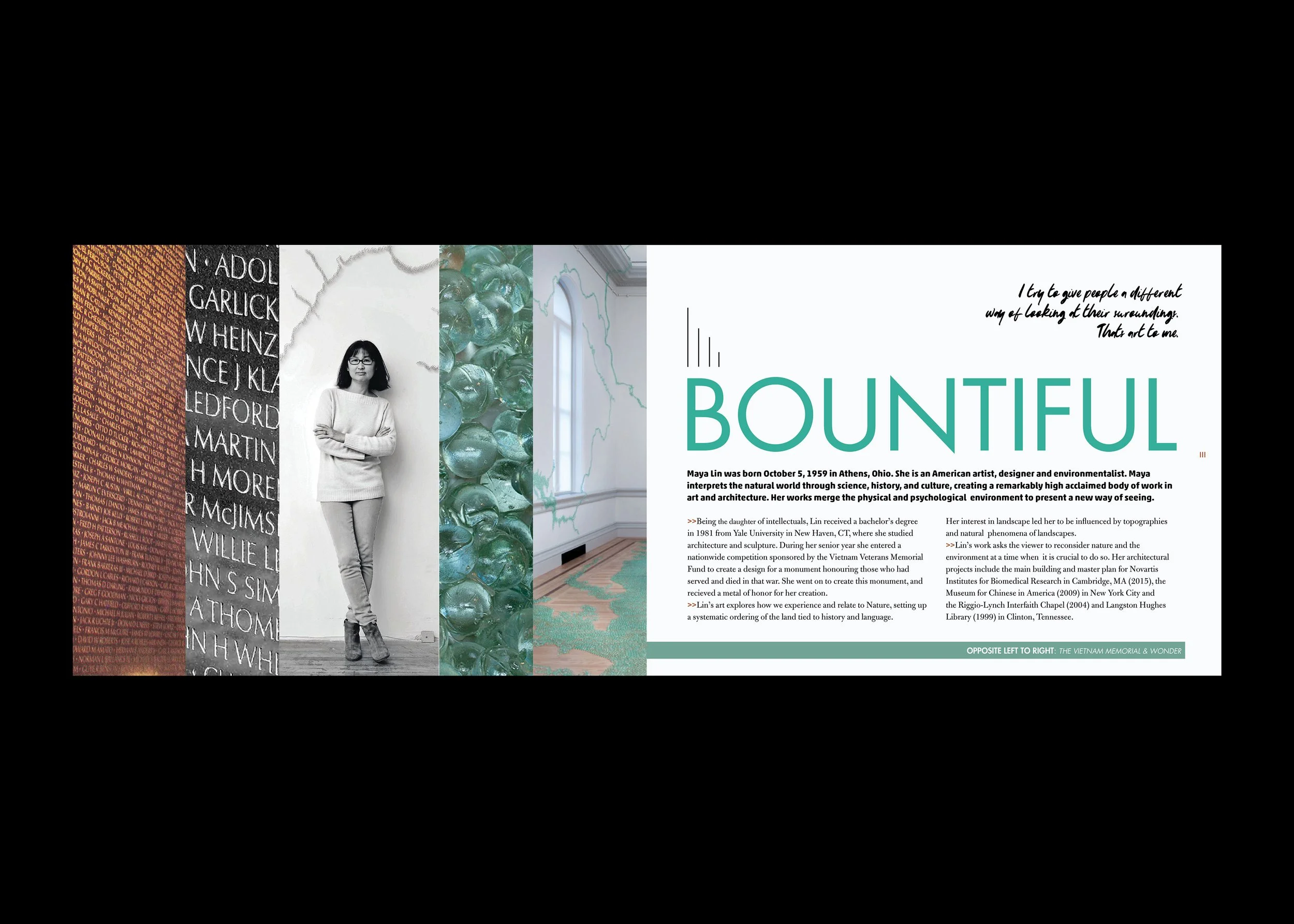
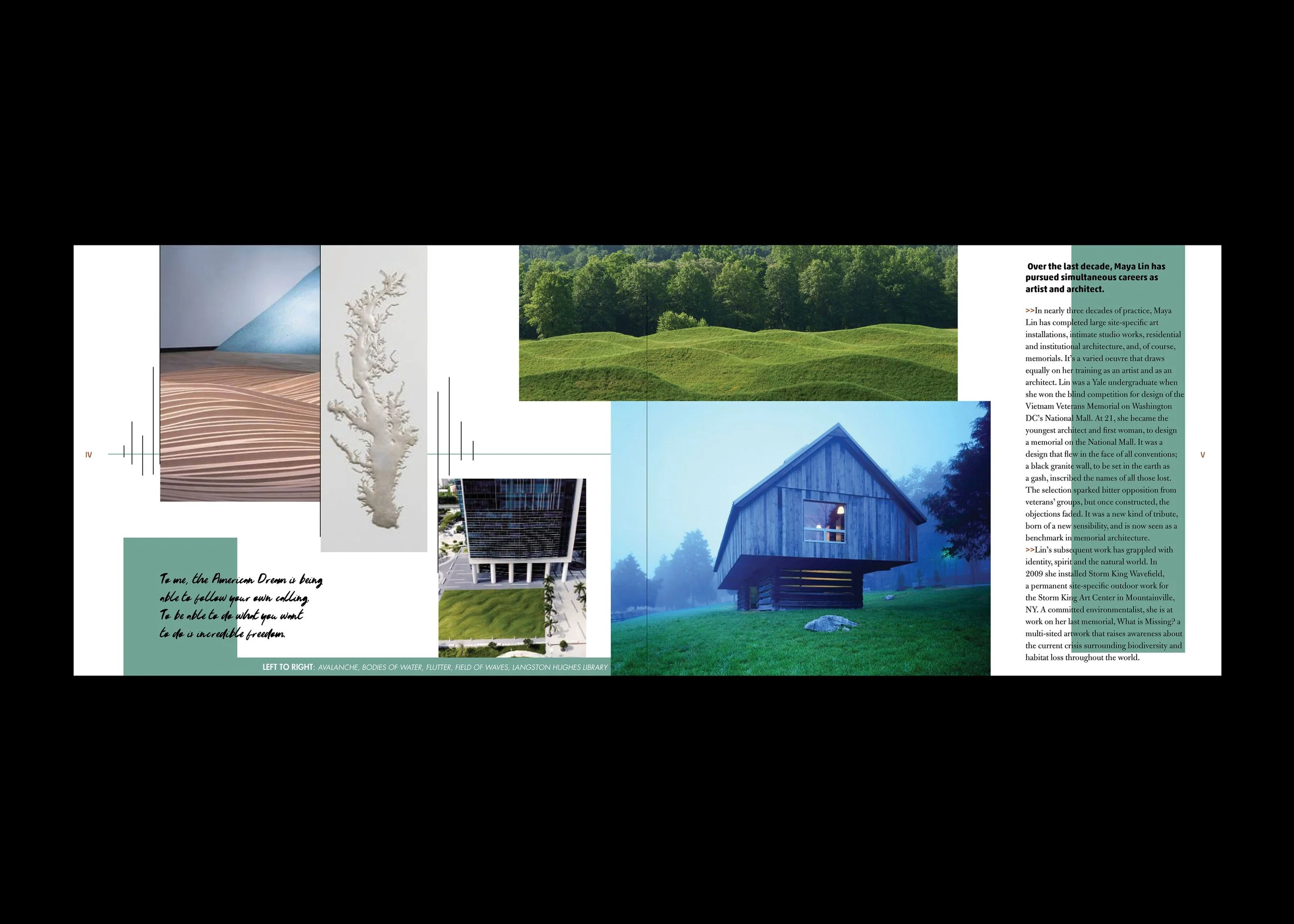
Student work by Alexandria Dominick
Learning Objectives
Organize content to develop a multipage visual narrative
Experiment with image and typography through layout and composition
Work with columnar grid systems to present complex hierarchical information
Curate and prepare print-ready assets for publication
Understand the difference between reader and printer spreads
Explore paper color, weight, and finishes
Use industry-standard software for editorial design
Learn saddle-stitch binding and hands-on studio skills
Constraints & Parameters
Choose only one trim size from the options below:
8 in × 8 in square
7 in × 10 in portrait
10 in × 7 in landscapeIdentify differences across industry-standard type classifications
Publication Requirements
8 pages total
Front and back cover, include crossover imagery or typography (2 pages)
Biography interior spread (2 pages)
Two sample spreads featuring selected work from the visionary (4 pages)
Use 2 to 3 fonts that reflect the style of the selected individual’s work
Use full color, black-and-white, or a combination to best support your design
Create the layout in Adobe InDesign
Use a columnar grid system to organize your content
Deliverables
Bound, saddle-stitched, duplex-printed booklet trimmed to size
Accompanying PDF
Readings
Making and Breaking the Grid: A Graphic Design Layout Workshop, Timothy Samara
Layout Essentials: 100 Design Principles for Using Grids, Beth Tondreau
Grid Systems in Graphic Design, Josef Müller-Brockmann
Thoughts & Observations
The supplied list of visionaries was intentionally chosen outside the field of graphic design. This prevented direct imitation and encouraged students to engage with visual research, making decisions grounded in observation and supported by design principles.
Long-form design is often a challenge for beginner to intermediate students who are more comfortable with short-form formats such as postcards or posters. Creating a cohesive narrative across multiple pages requires careful attention to pagination, pacing, sequencing, image curation, image-making, typography, and hierarchy.
I was impressed by the outcomes from students in two very different design programs, each with unique backgrounds and experiences, all addressing the same brief.